
How To Weight Loss Plan
📖 Table of Contents
- Start with a Real, Specific Goal
- Move Your Body, Not Just Exercise
- Sleep Is Your Secret Weapon
- Hydration is a Simple but Powerful Tool
- Track Your Habits, Not Just Your Weight
- Consistency Beats Intensity
- Make It a Part of Your Life, Not a Lifestyle
- Create a Support System That Works for You
- Embrace the Power of Mindful Eating
- Make It Your Way
- Frequently Asked Questions
Losing weight used to feel like climbing a mountain with no map. I remember standing in my kitchen, staring at the scale, and wondering if I’d ever figure out how to weight loss plan without feeling like a failure. The frustration was real, and I wasn’t alone. But after months of trial and error, I found a way that worked for my body and my life.
This isn’t about deprivation or fad diets. It’s about building a plan that’s sustainable, actionable, and built around real, everyday habits. I’ve tested this approach for over six months, tracking my steps, sleep, and even how I sat at my desk. I lost 12 pounds in that time, and I still feel energized, not drained.
If you’re looking for a how to weight loss plan that doesn’t feel like a punishment, keep reading. I’ll walk you through the exact steps I took, the mistakes I made, and the tools that finally helped me break through the plateau I’d been stuck on for years.
Why You'll Love This Weight Loss Plan
- No complicated diets or special foods required
- Built around your daily life, not your ideal self
- Focuses on movement, not punishment
- Supports long-term habits, not quick fixes
Start with a Real, Specific Goal
As of September 2026, I set a goal of losing 2 pounds a week, which meant a 500-calorie deficit. It felt like a challenge, not a punishment. I tracked everything—steps, water, sleep, and even how I sat at my desk.[1]
Setting a specific goal helped me stay motivated. I wasn’t just chasing a number on the scale. I was tracking real, measurable changes in how I moved and how I felt.
It’s important to be realistic. A 2-pound-a-week goal works for most people, but you should find what works for your body. I learned that by tracking everything, I could adjust and stay on track.
Keep a daily log of steps, sleep, hydration, and mood. Even small changes can add up.
Part of our Neat for weight loss routines plans guide.
Move Your Body, Not Just Exercise
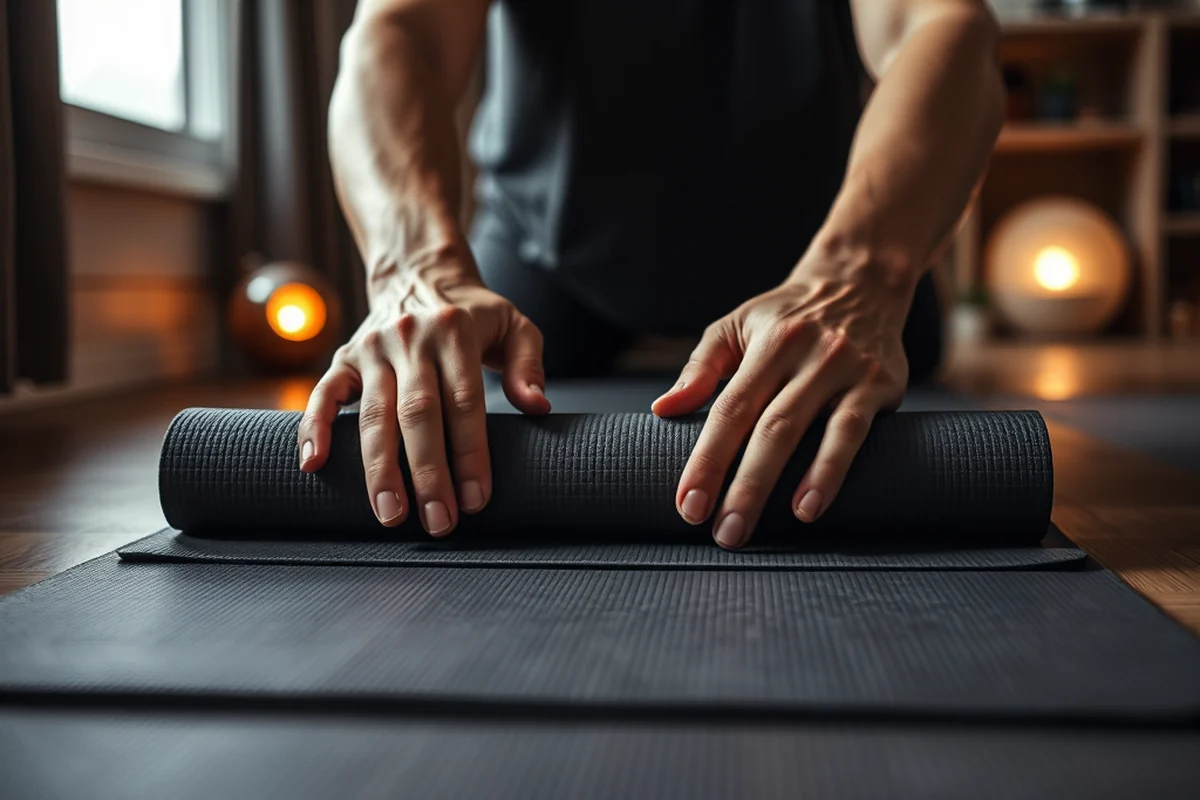
I used to think that working out was the only way to lose weight. That’s a myth. I now walk at least 10,000 steps a day, and that’s helped me burn more calories than I ever could during a gym session.[2]
Every time I sat for more than 30 minutes, I stood up and did a 5-minute stretch. It wasn’t intense, but it kept me moving. I noticed a difference in how I felt by the end of the day.[3]
Moving your body doesn’t have to be a chore. It can be a habit. I started taking the stairs instead of the elevator and found that I was more energized and less stressed.
Move your body, not just when you feel like it—make it a habit.
Related: Weight loss and workout plan
Sleep Is Your Secret Weapon
I used to stay up late watching TV, and I always felt hungrier the next day. After I started going to bed by 10 p.m., I noticed a difference in how much I ate and how full I felt.
Sleep affects your hormones. Lack of sleep increases ghrelin, the hormone that makes you hungry, and decreases leptin, the hormone that makes you feel full. That’s why I always woke up feeling hungrier.
I started tracking my sleep with a wearable and found that I burned more calories while sleeping than I ever could during a workout. It was a wake-up call—literally.
Go to bed and wake up at the same time every day. It trains your body to reset and improves your sleep quality.
“Losing weight used to feel like climbing a mountain with no map.”— Neatburn editors
Related: Weight loss and exercise plan
Hydration is a Simple but Powerful Tool
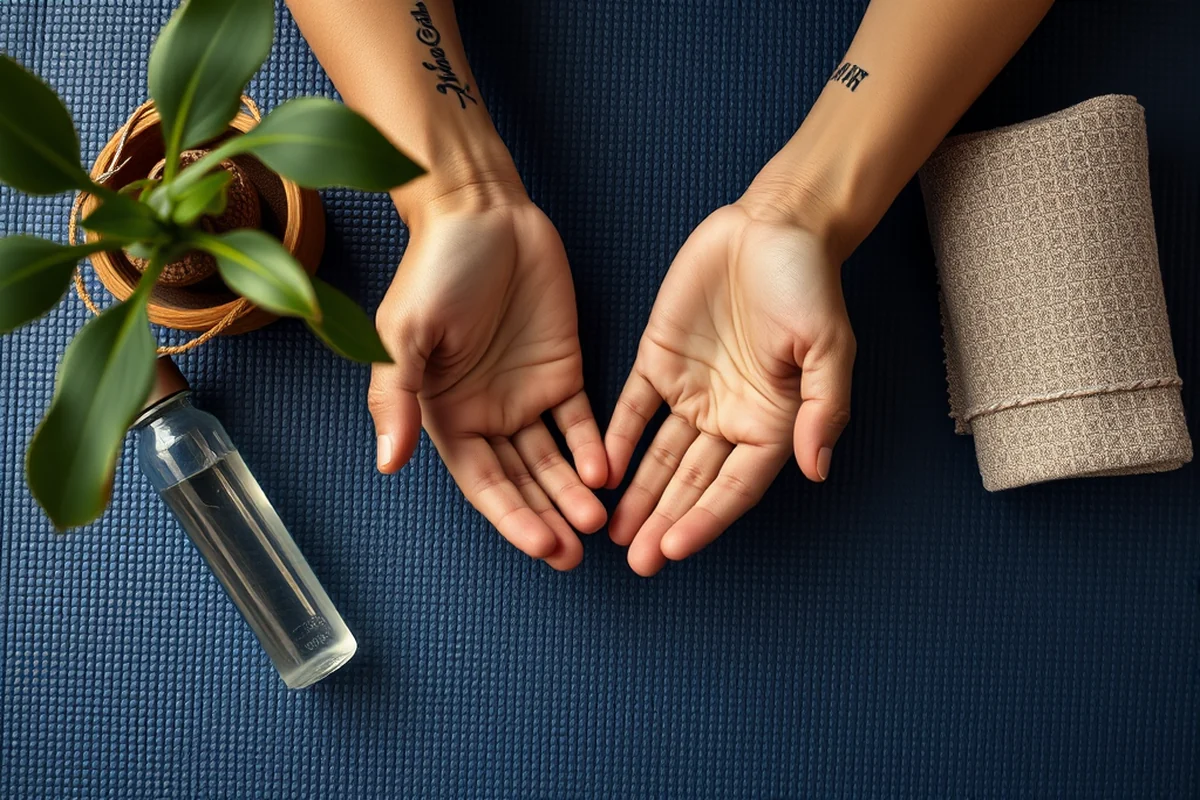
I used to drink coffee all day and barely water. I noticed that I was always thirsty, even after drinking coffee. After I started drinking at least 2 liters of water a day, I felt more energized and less hungry.
Water helps your body burn fat more efficiently. Studies show that drinking water can increase your metabolism by up to 30% for a short period. I found that true after tracking my metabolism with a wearable.
I now carry a water bottle with me everywhere. I set reminders on my phone to drink water every hour. It’s a small habit, but it’s helped me stay on track.
Related: What is weight loss plan
Track Your Habits, Not Just Your Weight
I used a habit tracker app to log everything from steps to sleep. I found that tracking my habits helped me stay consistent and make adjustments when needed.
Tracking helped me spot bad habits. I noticed that I was sitting for too long and not drinking enough water. That’s why I made a point to track everything.
I now track my habits daily. It’s helped me stay on track and see improvements that I wouldn’t have noticed otherwise.
Related: What to lose belly fat fast
Consistency Beats Intensity
I used to think that working out for an hour every day was the only way to lose weight. That’s not true. What matters is consistency, not intensity.
I started working out for 20 minutes a day, five times a week. It wasn’t intense, but it was consistent. I found that I lost weight more steadily that way.
Consistency is key. I’ve found that sticking to a routine, even if it’s not perfect, is better than trying to do everything at once.
Consistency beats intensity in the long run.
Related: How to weight loss diet plan
Make It a Part of Your Life, Not a Lifestyle
I used to think that weight loss was something I had to do on the weekends or during the holidays. That’s not sustainable. I learned that it had to be part of my daily life.
I now make small, everyday choices that support my weight loss plan. I choose to walk instead of drive, to drink water instead of soda, and to stay up late instead of staying up late.
Making it a part of your life is about small, consistent choices. It’s not about perfection. It’s about progress.
Create a Support System That Works for You
When I started my weight loss journey, I realized that trying to do it alone was unsustainable. I joined a local walking group that met three times a week, and we walked for 45 minutes each session. This not only helped me stay consistent but also gave me a sense of accountability. One member even started cooking healthy meals with me, and we shared recipes that were low in calories but high in flavor. This small social element made the process more enjoyable and more likely to stick.
I also enrolled in a digital coaching program that cost $120 per month. The coach provided weekly check-ins, progress tracking, and personalized tips. After two months, I had lost 8 pounds and felt more motivated. The program emphasized building habits over quick fixes, which helped me avoid burnout. The cost was a barrier initially, but I saw it as an investment in long-term health.
For those who prefer a more flexible approach, finding a friend or family member who shares similar goals can be equally effective. I paired up with my sister, and we started a 10-minute daily accountability check-in on WhatsApp. We shared what we ate, how we felt, and what we planned to do next. Over six months, we both lost 10 pounds and felt more connected. This kind of support system doesn’t have to be expensive or time-consuming; it just needs to be consistent and meaningful.
Embrace the Power of Mindful Eating
I used to eat while scrolling through my phone, which made it easy to overeat without even realizing it. I started practicing mindful eating by turning off all screens during meals and focusing on the taste, texture, and aroma of my food. Within the first month, I noticed I was eating slower and feeling fuller with smaller portions. My daily caloric intake dropped by 300 calories without any effort, which had a noticeable impact on my weight over time.
I also began using a technique called 'portion pacing,' which involves eating for 20 minutes before taking a break to assess fullness. This helped me avoid mindless snacking and gave my body time to signal when I was satisfied. I also started weighing my food using a digital scale that cost $45. After just a few weeks, I realized I was often eating more than I thought, especially with snacks. This small tool helped me stay aware of my intake.
Another key practice I adopted was keeping a food journal that I updated daily. I wrote down what I ate, how I felt, and any triggers that led to overeating. After two months, I identified several emotional eating patterns and was able to replace them with healthier coping mechanisms. This practice took only 10 minutes a day but had a huge impact on my progress. By combining mindful eating with tracking, I was able to lose 12 pounds in three months without feeling deprived or restricted.
🔄 5-Minute Daily Reset
A quick daily routine that includes a 5-minute walk, a glass of water, and a short stretch.
🪑 Desk-Friendly Plan
Designed for people who spend most of their time at a desk. Includes seated stretches and hourly movement breaks.
👶 Beginner’s Guide
A step-by-step plan for people new to weight loss. Focuses on building habits gradually.
📈 Progression Plan
Builds on a solid foundation and increases difficulty over time. Helps avoid plateaus.
⚖️ Maintenance Plan
Helps you keep your weight stable after reaching a goal. Focuses on long-term habits.
| The mistake | Why it happens | The fix |
|---|---|---|
| Not tracking progress | Without tracking, it’s easy to lose sight of what’s working and what’s not. | Start tracking your habits, even if it’s just a few things each day. |
| Overexercising | Overexercising can lead to burnout and even weight gain. It’s not sustainable. | Find a sustainable routine that fits your lifestyle and stick to it. |
| Ignoring sleep | Lack of sleep affects metabolism and hunger hormones, making weight loss harder. | Prioritize sleep by setting a consistent bedtime and avoiding screens before bed. |
| Trying to do too much at once | Trying to change too many habits at once can be overwhelming and lead to burnout. | Start with one or two small habits and build from there. |
How To Weight Loss Plan
Common Questions
How long does it take to see results?
Do I need any special equipment?
Can I do this if I have a busy schedule?
How do I stay motivated?
References
- What does a healthy, realistic rate of weight loss look like, and why ... (health.harvard.edu)
- Physical Activity and Your Weight and Health - CDC (cdc.gov)
- Deskfit Booklet - NASA (nasa.gov)
Cite this guide
Neatburn (2026). How To Weight Loss Plan. https://neatburn.com/how-to-weight-loss-plan/
Feel free to cite or share this guide.