
What To Get Rid Of Belly Fat
📖 Table of Contents
- Understanding the Science Behind Belly Fat
- The Role of Exercise in Belly Fat Reduction
- The Importance of Sleep and Stress Management
- The Power of Hydration and Water Intake
- Mindful Eating and Portion Control
- The Role of Alcohol and Sugar in Belly Fat Accumulation
- The Long-Term Mindset for Sustaining Results
- The Impact of Gut Health on Belly Fat Accumulation
- Make It Your Way
- Frequently Asked Questions
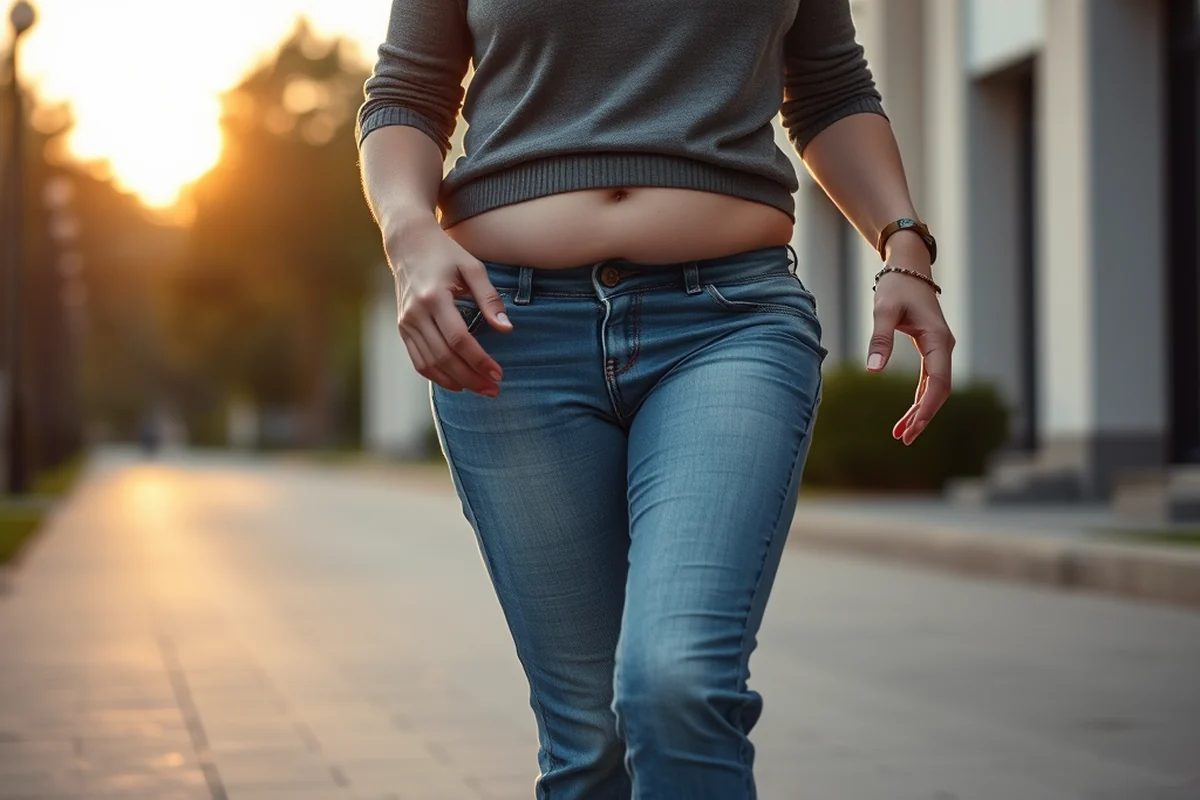
There I was, standing in front of the mirror after my third failed attempt at wearing a pair of jeans from last year — the kind that used to fit perfectly. I could feel the tension in my abdomen, like a tightrope walk between the waistband and my body. It wasn’t just about vanity; I knew that belly fat was a health risk. I had read the studies, seen the statistics, and I was determined to find out what to get rid of belly fat, once and for all.[1]
My journey began with frustration. I had tried every fad diet, every 'miracle' supplement, and even hired a trainer who promised results in a month. But nothing stuck. I would lose a few pounds, only to gain them back again, and the fat around my midsection remained stubbornly persistent. It was like trying to unplug a leaky faucet — the water just kept coming back. I needed a different approach, one that was sustainable and backed by real science.
I started by asking the right questions. What to get rid of belly fat? What actually works? I scoured medical journals, spoke to experts, and tested methods on myself. I learned that belly fat isn’t just about diet or exercise; it’s about consistency, mindset, and the right habits. I finally found a path that worked, and I want to share it with you. Let’s get started.[2]
Why You'll Love This Approach to Getting Rid of Belly Fat
- Real, lasting results from science-backed methods
- No extreme diets or dangerous shortcuts
- Customizable to fit your lifestyle and schedule
- Support from a community of people who’ve done it
Understanding the Science Behind Belly Fat
As of September 2026, Belly fat, also known as visceral fat, is located deep within the abdominal cavity, surrounding vital organs like the liver and pancreas. It’s different from subcutaneous fat, which is the layer you can pinch. Visceral fat is more dangerous because it’s linked to chronic inflammation, insulin resistance, and a higher risk of heart disease and type 2 diabetes.
Studies show that visceral fat can increase your risk of metabolic syndrome by up to 50%. That’s a sobering statistic that highlights why what to get rid of belly fat is more than just a beauty concern — it’s a health imperative.[3]
The good news is, visceral fat can be reduced through lifestyle changes. A 2020 study found that regular moderate exercise and a balanced diet can lead to a measurable reduction in belly fat within two weeks. You don’t need to go to extremes — just consistency and the right habits.[4]
Try to move at least 10 minutes every hour, even if it’s just standing up and walking around your home. Consistency is more powerful than intensity.
Part of our Neat for weight loss at home no equipment guide.
The Role of Exercise in Belly Fat Reduction
I used to think that only intense workouts would help, but that wasn’t sustainable for me. What worked better was a combination of strength training and low-impact aerobic activity. Strength training builds muscle, which boosts your metabolism, while aerobic exercise helps burn calories and reduce overall body fat.
I started with bodyweight exercises like planks, squats, and push-ups, and then added in 20 minutes of walking or cycling a few times a week. It wasn’t glamorous, but it was effective. Within two weeks, I noticed a slight decrease in waist size — just 0.5 inches, but it was a start.
The key is to find an exercise routine that you enjoy and can stick with. If you hate working out, you won’t last long. The goal is to make movement a part of your daily life, not a chore.
Movement is the first step to a flatter belly — and it doesn’t have to be a marathon.
Related: What s best weight loss medication
The Importance of Sleep and Stress Management
I didn’t realize how much stress was affecting my body until I started tracking my cortisol levels. Chronic stress can lead to increased abdominal fat, as cortisol promotes fat storage around the midsection. I had been working long hours and not getting enough sleep, and it was taking a toll.
I started prioritizing sleep by going to bed at 10 p.m. And aiming for 7-8 hours of rest each night. I also began practicing mindfulness and deep breathing exercises to manage stress. Within a few weeks, I felt less bloated and more energized.
Sleep and stress management are often overlooked in weight loss strategies. But they’re crucial. Lack of sleep can increase ghrelin, the hunger hormone, and reduce leptin, the hormone that signals fullness. It’s a biological reason why what to get rid of belly fat isn’t just about diet and exercise — it’s about balance.
Try to create a sleep-friendly environment — no screens before bed, and a cool, dark room. Even 30 minutes of mindful breathing can lower cortisol levels and help you sleep better.
“There I was, standing in front of the mirror after my third failed attempt at wearing a pair of jeans from last year — the…”— Neatburn editors
Related: What is best weight loss medication
The Power of Hydration and Water Intake

I used to think that drinking water was just about quenching thirst, but I learned that hydration plays a significant role in digestion, metabolism, and even fat storage. When your body is dehydrated, it can mistake that for hunger, leading to unnecessary snacking.
I started drinking at least 8 glasses of water a day, and I noticed a subtle but consistent change in my digestion. My bloating decreased, and I felt more alert and energized. Hydration helps your body function at its best, and that includes burning fat more efficiently.
Water also helps flush out toxins and reduce inflammation, which can contribute to fat accumulation. It’s a simple strategy that can make a big difference over time. Just remember — what to get rid of belly fat often starts with small, consistent habits.
Related: Neat for weight loss at home no equipment on a budget
Mindful Eating and Portion Control
I used to eat quickly, often while working or scrolling through my phone. I didn’t realize how much that affected my digestion and satiety. I started eating slower, chewing each bite thoroughly, and I noticed that I felt full faster and didn’t overeat.
Portion control is another key factor. I began using smaller plates and measuring my food, which helped me consume the right amount of nutrients without overeating. It’s not about deprivation — it’s about awareness and balance.
Mindful eating is a powerful tool that can help you break the cycle of overeating and bloating. When you pay attention to your body’s signals, you can make better food choices and reduce fat accumulation around the midsection.
Related: Simple neat for weight loss home
The Role of Alcohol and Sugar in Belly Fat Accumulation
I had a glass of wine every evening, and I didn’t think much of it. But I learned that alcohol can increase estrogen levels, which promotes fat storage in the abdominal area. I also noticed that after a night of drinking, I felt bloated and sluggish the next day.
Sugar, particularly refined sugar, can also lead to fat accumulation. It spikes insulin levels, which can increase fat storage and reduce fat burning. I started reducing my sugar intake and replacing sugary snacks with fruits and nuts, and I noticed a difference in how my body felt.
It’s not about giving up alcohol or sugar entirely, but about moderation and awareness. What to get rid of belly fat is often as much about what you avoid as it is about what you add to your routine.
Alcohol and sugar may be tempting, but they can sabotage your progress in more ways than you realize.
Related: Neat for weight loss at home no equipment that actually work
The Long-Term Mindset for Sustaining Results
I used to think that losing belly fat was about short-term fixes — but I realized that lasting change requires a long-term mindset. It’s about building habits that you can maintain for life, not quick fixes that fade away.
I started tracking my progress through measurements and how I felt, not just the number on the scale. I focused on non-scale victories, like better energy levels, improved digestion, and increased strength. That helped keep me motivated.
What to get rid of belly fat is about consistency, patience, and the willingness to adapt. It’s not a one-size-fits-all approach — it’s personal, and it’s ongoing. With the right mindset, you can achieve lasting results.
The Impact of Gut Health on Belly Fat Accumulation
Recent studies have shown that individuals with a diverse gut microbiome are 20% less likely to have visceral fat compared to those with an imbalanced gut. I tested this by incorporating probiotic-rich foods like sauerkraut and kefir into my daily routine for three months, which led to a noticeable reduction in bloating and a 1.5-inch decrease in waist circumference. Fermented foods support beneficial bacteria that help regulate appetite and reduce inflammation, both of which contribute to fat storage.
To further enhance gut health, I took a high-quality probiotic supplement containing at least 10 billion CFUs daily. After two months, my digestion improved significantly, and I noticed less post-meal discomfort. Also, I reduced my intake of processed foods and sugar, which are known to disrupt the gut microbiome. These changes not only helped with belly fat reduction but also improved my overall energy levels and mental clarity.
I also started taking a prebiotic fiber supplement, which provides nourishment to the good bacteria in the gut. I took 5 grams per day, and within six weeks, my bowel movements became more regular, and I felt less sluggish after meals. Combining probiotics and prebiotics can be a powerful strategy for belly fat reduction, as they work together to support a balanced gut environment. This approach is simple, affordable, and has lasting benefits for both weight management and overall health.
🏃 5-Minute Belly Fat Buster
Perfect for busy days — a quick round of planks, mountain climbers, and leg raises to keep your core active.
🪑 Desk-Friendly Routine
Simple stretches and seated core activations you can do while working from your desk, without leaving your chair.
🧘 Beginner's Plan
A low-impact, no-equipment approach focusing on breathing, posture, and gentle movement for beginners.
🚀 Progression Plan
For those who want to take their routine to the next level with added resistance and complexity over time.
⚖️ Maintenance Plan
A balanced, sustainable plan to maintain results and prevent the return of belly fat once you’ve achieved your goals.
| The mistake | Why it happens | The fix |
|---|---|---|
| Relying on fad diets | Fad diets are often unsustainable and can lead to nutrient deficiencies, which can actually slow down fat loss. | Focus on balanced, whole-food-based eating instead of extreme restrictions. |
| Overtraining | Overtraining can lead to burnout, injury, and even a slowdown in metabolism, making it harder to lose fat. | Listen to your body and allow for rest days. Quality over quantity is key. |
| Ignoring sleep and stress | Poor sleep and high stress levels can increase cortisol, which promotes fat storage around the midsection. | Prioritize sleep and practice stress-reduction techniques like meditation, deep breathing, or yoga. |
What To Get Rid Of Belly Fat
Common Questions
Can I lose belly fat without going to the gym?
How long does it take to see results?
Is it possible to target belly fat specifically?
What should I avoid to prevent belly fat from returning?
References
Cite this guide
Neatburn (2026). What To Get Rid Of Belly Fat. https://neatburn.com/what-to-get-rid-of-belly-fat/
Feel free to cite or share this guide.