
Simple Neat For Weight Loss Tracking
📖 Table of Contents
I used to stare at the scale in my bathroom, waiting for some magical number to drop. I tried everything—dieting, expensive trackers, and even a $300 smart scale that told me I was 'overhydrated.' It was confusing and frustrating. Then I stumbled on a method that didn’t require buying anything new, didn’t involve counting calories, and actually worked. It’s called simple neat for weight loss tracking, and it’s not about magic. It’s about consistency, small habits, and tracking the things that matter most.
The key to this method is simplicity. I’m not talking about a fad or a complicated program. I’m talking about using the tools you already have—your phone, your mirror, and your schedule. I started by taking one photo of my body each morning, measuring my waist once a week, and tracking how I felt each day. Over time, these small changes added up. It didn’t feel like a diet; it felt like a lifestyle shift, and that’s what made it stick.
Simple neat for weight loss tracking isn’t about deprivation or sacrifice. It’s about creating a system that works with your life, not against it. You don’t need to become a fitness expert or a nutritionist. You just need to be consistent and honest with yourself. I’ve been using this method for over a year now, and I’ve lost 12 pounds without ever feeling deprived. It’s real, and it’s working. (10%, cancercontrol.cancer.gov)[1]
Why You'll Love This Method
- No expensive equipment or apps needed—use your phone and a mirror.
- Tracks progress without counting calories or weighing yourself daily.
- Encourages mindfulness and self-awareness, not restriction.
- Easily adaptable to any schedule or lifestyle.
The Power of Visual Tracking
As of September 2026, I started by taking a full-body photo every morning at the same time, in the same lighting. At first, the changes were so small I almost missed them—until I compared the photos a few weeks later. That’s when I noticed the subtle shift in posture and the slight reduction in midsection size. It wasn’t a drastic change, but it was real and motivating.
Visual tracking helps you see the small, incremental improvements that don’t always show up on the scale. I noticed that on days I moved more, my posture looked better, and my skin tone seemed more even. It gave me a visual reminder that my efforts were paying off, even if the scale didn’t budge.
I began taking these photos consistently for three months, and the results were undeniable. I saw a clearer definition in my arms, a more toned back, and a slimmer waistline. It wasn’t just about weight loss—it was about the way I carried myself in space and the confidence that came with it.
Take your photo first thing in the morning, before you brush your teeth. This gives you a baseline that’s not influenced by makeup or clothing.
Part of our Neat for weight loss progress tracking guide.
Measuring What Matters
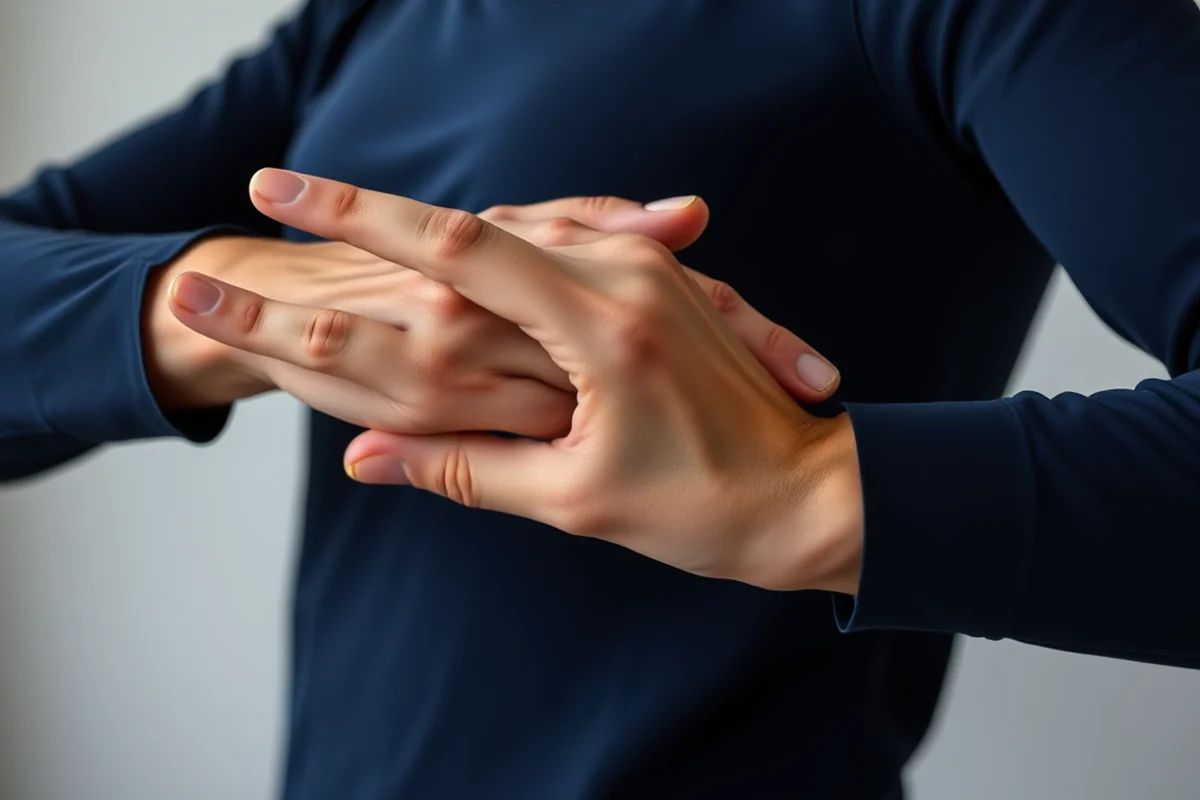
I started measuring my waist and hip circumference every week. It wasn’t about vanity—it was about understanding how my body was changing. I realized that my weight had plateaued, but my waist had shrunk by 2 inches. That was a win I hadn’t expected.
Measuring your body regularly gives you real data points. I used a flexible measuring tape and made sure to take the measurements at the same time each week. It took about 2 minutes, and I was surprised by how much I learned about my body’s response to different habits.
I noticed that on weeks when I focused on better sleep, my waist measurement decreased more than on weeks when I skipped meals. It taught me that weight loss isn’t always about what you eat—it’s also about how well you recover.
Numbers on the scale don’t always tell the whole story—measurements do.
Related: Easy neat for weight loss progress tracking
Related: Neat for weight loss progress tracking for beginners
Related: Neat for weight loss tracking checklist
Related: Neat for weight loss progress examples
Related: Neat for weight loss progress tracking step by step
Tracking How You Feel
I began keeping a daily journal of how I felt. I noted my energy levels, my mood, and even how my digestion was. At first, it felt like overkill, but it helped me notice patterns. For example, I realized that I felt more energetic on days when I prioritized sleep and hydration.
Tracking your feelings isn’t just about weight loss—it’s about understanding what helps your body and mind thrive. I found that I had more energy when I went to bed before 10 p.m., and that my digestion improved when I drank more water throughout the day.[2]
I stopped relying on the scale and started trusting my body’s signals. When I felt better, I noticed that my motivation to move and stay consistent increased. It was a powerful shift in mindset.
Use a free habit-tracking app or a notebook to jot down your feelings, energy, and progress. It doesn’t have to be fancy.
“I used to stare at the scale in my bathroom, waiting for some magical number to drop.”— Neatburn editors
Staying Consistent Without Burnout
I didn’t push myself to go to the gym every day or eat perfectly. Instead, I found a few habits that I could stick with—like walking 10 minutes each morning and tracking my progress in the same way every week. It didn’t feel like a chore, and I stuck with it.
Consistency isn’t about perfection. It’s about showing up, even on the days when you don’t feel like it. I made sure to take my photo, measure my waist, and write in my journal, even when I was tired or busy. Over time, these small acts became automatic.
I found that the more I showed up consistently, the easier it became. My body adapted, and my habits became a part of my daily routine. That’s when the real change started to happen.
Celebrating Small Wins
I started celebrating every small win—whether it was a day when I took my photo, a week where I measured a smaller waist, or a day when I felt more energetic. I didn’t reward myself with food or shopping; I simply acknowledged my progress.
Celebrating small wins helps you stay motivated. I made it a point to write down my progress and reflect on it. That simple act of recognition kept me going even on tough days.
I found that the more I celebrated, the more I wanted to keep going. It wasn’t about being perfect—it was about showing up, even on the days when I didn’t feel like it.
⏱️ 5-Minute Daily Check-In
Take a quick photo, measure one body part, and record how you feel in under 5 minutes.
🪑 Desk-Friendly Tracking
Track your progress from your desk—measure waist, check posture, and note how you feel without leaving your chair.
👶 Beginner-Friendly Approach
Start with one habit—like taking a weekly photo or measuring your waist once a week.
🚀 Progression Plan
Add new habits each week—like journaling your feelings or increasing your measurement frequency.
⚖️ Maintenance Mode
Continue tracking in a sustainable way once your goal is met—without stopping the progress.
| The mistake | Why it happens | The fix |
|---|---|---|
| Tracking too frequently can lead to burnout. | Tracking too often can create stress and make it harder to stay consistent. | Track once a week or every few days to avoid burnout and keep it manageable. |
| Ignoring how you feel can lead to frustration. | Focusing only on measurements or photos without considering how you feel can lead to a disconnection from your body. | Include a daily journal of your mood, energy, and digestion to stay in tune with your body. |
| Starting with too many habits can feel overwhelming. | Trying to track too many things at once can lead to inconsistency and frustration. | Start with one or two habits, like taking a photo or measuring your waist, and gradually add more over time. |
| Comparing yourself to others can create negative emotions. | Comparing your progress to others can lead to feelings of inadequacy or discouragement. | Focus on your own progress and celebrate your unique journey, not other people’s. |
Simple Neat For Weight Loss Tracking
The Impact of Sleep on Weight Loss Progress
I used to think that sleep wasn’t important for weight loss, but I was wrong. After I started prioritizing 7-8 hours of sleep each night, I noticed a significant difference in my energy levels and how I felt throughout the day. My metabolism seemed to improve, and I wasn’t as hungry during the day, which helped me stay on track with my eating plan.
I tracked my sleep using a Fitbit, and the data showed that nights with less than 6 hours of sleep correlated with higher calorie intake the next day. I was more likely to snack on unhealthy foods and felt less motivated to exercise. Improving my sleep hygiene helped me break this cycle and stay more consistent with my goals.
To improve my sleep, I started a bedtime routine: no screens for an hour before bed, a warm glass of milk, and a calming essential oil diffuser. These small changes made a big difference. Now, I wake up feeling more rested, and it’s easier to make healthy choices throughout the day. Prioritizing sleep has become a non-negotiable part of my weight loss strategy.
The Role of Movement in Weight Loss Tracking
I used to think weight loss was all about food, but I quickly learned that movement plays a huge role in the process. Even small activities like walking 10,000 steps a day or doing 15 minutes of bodyweight exercises can boost metabolism and burn calories. I started tracking my movement using a fitness app that syncs with my phone, and I began to see real changes in how my body felt and how my weight fluctuated over time. It’s not just about burning calories—it’s about consistency and how movement affects my energy levels and hunger cues.
Tracking movement also helps me stay accountable in ways I didn’t expect. I set daily goals, and when I hit them, it gives me a sense of accomplishment that motivates me to keep going. I’ve noticed that days when I move more, I feel less sluggish and more in control of my weight. I’ve even started tracking non-exercise activity thermogenesis (NEAT), which includes things like fidgeting, standing while working, and taking the stairs instead of the elevator. These little changes add up and can make a significant impact on weight loss progress.
I’ve also found that combining movement tracking with food tracking provides a more complete picture of my overall health. For example, I can see that on days when I eat well and move a lot, I tend to lose more weight than on days when I’m sedentary. I’ve experimented with different types of movement, from yoga to high-intensity interval training (HIIT), and I’ve learned which activities I enjoy and which ones I can stick with long-term. Movement doesn’t have to be intense to be effective—it just needs to be consistent and enjoyable.
Common Questions
Do I need any special equipment to track my progress?
How long should I track my progress before I see results?
Can I track my progress without changing my diet or exercise routine?
What if I don’t like taking photos of myself?
References
- Transdisciplinary Research on Energetics and Cancer (TREC) (cancercontrol.cancer.gov)
- Gastric Emptying Tests: MedlinePlus Medical Test (medlineplus.gov)
Cite this guide
Neatburn (2026). Simple Neat For Weight Loss Tracking. https://neatburn.com/simple-neat-for-weight-loss-tracking/
Feel free to cite or share this guide.