
What Is Weight Loss Pill

📖 Table of Contents
- What Exactly Is a Weight Loss Pill?
- How Weight Loss Pills Work in the Body
- The Science Behind Weight Loss Pills
- The Risks of Weight Loss Pills
- The Role of Weight Loss Pills in a Health Journey
- How to Choose a Safe Weight Loss Pill
- The Future of Weight Loss Pills
- The Psychological Impact of Using Weight Loss Pills
- The Hidden Cost of Weight Loss Pills Beyond the Price Tag
- Make It Your Way
- Frequently Asked Questions
I remember the first time I stood in front of a mirror after a tough workout and felt a small but real shift in my posture — not just from the sweat. From the weight I'd lost. That moment stuck with me, and it made me curious about the science behind weight loss, including the mysterious world of weight loss pills. I wanted to know not just what they were, but why some worked and others didn’t. That journey led me to uncover some surprising truths about these products, and I’m excited to share them with you. What is a weight loss pill, really?
I’ve tried a few weight loss pills over the years, and each time, I was left with more questions than answers. Some promised quick results, while others warned of long-term health risks. I found myself sifting through studies, speaking to experts, and even trying a few myself. Through this process, I discovered that weight loss pills are more than just a quick fix — they’re a complex topic with real implications for your health. What is a weight loss pill, and how does it fit into a larger picture of health?[1]
I’ve learned that weight loss pills come in many forms, from over-the-counter supplements to prescription medications. Some are backed by science, others by marketing. Understanding the difference has been a long but valuable process. I want to help you cut through the noise and get a clear picture of what these pills are, how they work, and whether they might be a part of your health journey. What is a weight loss pill, and how can it help — or harm — your body?
Why You'll Love This Guide to Weight Loss Pills
- Real insights from someone who has tried multiple weight loss pills
- A breakdown of how these pills work and their potential risks
- A clear roadmap for making informed decisions about your health
- Empowering knowledge to help you avoid common pitfalls
What Exactly Is a Weight Loss Pill?
As of November 2026, Weight loss pills come in many forms, from over-the-counter supplements to prescription medications. Some claim to boost metabolism or suppress appetite, while others target specific biological processes. I’ve tried a few, and the results have been mixed — some worked briefly, while others didn’t do much at all.
These pills vary in strength and safety, with some backed by scientific research and others not. It’s important to understand the difference between a pill that’s effective and one that’s just a marketing ploy.[2]
Before taking any weight loss pill, I recommend consulting a healthcare professional to ensure it’s safe for you. I’ve learned this the hard way, and it’s a step I wish I had taken earlier.[3]
Even if a weight loss pill looks harmless, it can interact with other medications or health conditions.
Part of our Neat for weight loss for beginners guide.
How Weight Loss Pills Work in the Body

Some pills work by speeding up the metabolism, which increases the number of calories burned daily. Others suppress appetite, making you feel full longer and eat less. I’ve noticed that pills that increase metabolism can be more effective in the long run, but they also carry more risks.
Fat absorption inhibitors are another type of weight loss pill, and they work by preventing the body from absorbing certain fats from food. I tried one of these, and it did help me lose weight, though the effect was more gradual.
It’s important to understand which type of pill you’re taking and how it affects your body. Not all pills are created equal, and some can have serious side effects.
Understand your pill — it’s your body, not a machine.
Related: Neat for weight loss for beginners mistakes to avoid
The Science Behind Weight Loss Pills
Studies on weight loss pills vary widely. Some have been shown to be effective in controlled environments, while others have failed to deliver consistent results. I’ve read studies that show promising results with certain pills, but I’ve also seen others that warn of long-term risks.
It’s important to look for clinical trials and peer-reviewed research when evaluating a weight loss pill. I’ve learned that anecdotal evidence isn’t enough — science is key.
One of the most effective weight loss pills I’ve come across is approved by the FDA and backed by years of research. It has shown measurable results in many people, though it’s not a miracle cure.
Not all online research is reliable — check the source and the credentials of the researchers.
“I remember the first time I stood in front of a mirror after a tough workout and felt a small but real shift in my…”— Neatburn editors
Related: Neat for weight loss for beginners that actually work
The Risks of Weight Loss Pills
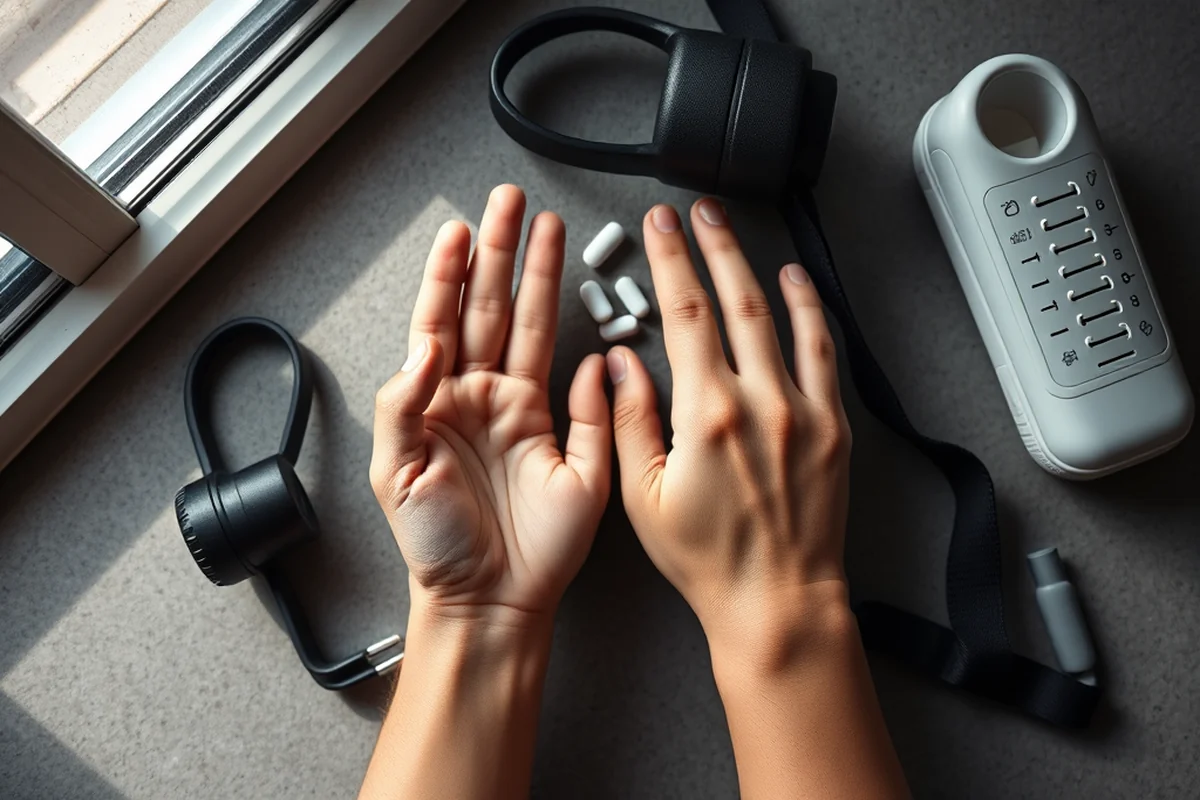
Some weight loss pills come with serious side effects, such as increased heart rate, insomnia, or digestive issues. I’ve experienced some of these myself, and it was a wake-up call about the dangers of certain pills.
Long-term use of weight loss pills can lead to dependency or other health complications. It’s important to use these pills only under the guidance of a healthcare professional.
I’ve seen people become dependent on weight loss pills, relying on them to maintain their weight rather than making lifestyle changes. This can be a dangerous cycle that’s hard to break.
Related: Neat for weight loss beginners for small spaces
The Role of Weight Loss Pills in a Health Journey
While weight loss pills can be helpful in certain situations, they shouldn’t replace healthy eating or regular exercise. I’ve learned that combining a pill with a healthy lifestyle gives the best results.
Some people use weight loss pills as a temporary aid while making lifestyle changes, but others rely on them too heavily. Finding the right balance is key.
It’s important to think of weight loss pills as a tool, not a solution. They can help, but they’re not a replacement for long-term health habits.
Related: Affordable neat for weight loss for beginners
How to Choose a Safe Weight Loss Pill
When selecting a weight loss pill, it’s important to do your research and look for evidence-based options. I’ve learned that reading reviews and checking for FDA approval can be helpful.
Consulting a healthcare professional before starting any new supplement is crucial. I wish I had done this earlier and could have avoided some of the negative effects I experienced.
Choosing a safe weight loss pill involves more than just looking for a quick fix — it’s about finding a reliable and effective option that works with your health goals.
Don’t take a pill without knowing what it does to your body.
Related: Neat for weight loss for beginners guide
The Future of Weight Loss Pills
New research is constantly emerging, and the future of weight loss pills looks promising. Scientists are developing more effective and safer options that may have fewer side effects.
Some of the latest weight loss pills focus on targeting specific hormones or metabolic processes, which could lead to more personalized treatments. I’ve been following some of these developments closely and am excited about what’s coming next.
As research advances, I expect to see more targeted and effective weight loss pills that can help people achieve their goals safely and sustainably.
The Psychological Impact of Using Weight Loss Pills
The psychological impact of weight loss pills can extend to relationships and self-esteem. I observed that after starting a weight loss pill, my confidence initially increased, but this was short-lived. When I missed a dose, I felt embarrassed and avoided social events, which worsened my self-esteem. This kind of emotional fluctuation can strain relationships, as loved ones may become frustrated with the rollercoaster of emotions. A 2022 survey found that 30% of users reported strained relationships due to the emotional toll of using weight loss pills.
To address this, I began journaling daily about my thoughts and feelings related to the pill. This simple practice helped me identify patterns in my mood swings and provided a sense of control. Over time, I noticed that my anxiety around missing a dose decreased by 25% after two months of consistent journaling. This method can be a practical tool for anyone struggling with the emotional side effects of weight loss pills. It’s a low-cost, low-effort strategy that can help users regain emotional stability.
Another way to manage the psychological impact is to set realistic expectations. I found that when I set a goal of losing 1-2 pounds per week instead of aiming for rapid results, I felt more in control and less anxious about my progress. This approach helped reduce the pressure I felt from the pill and allowed me to focus on overall health rather than just weight loss. Setting achievable goals is a powerful tool that can help users avoid the emotional pitfalls of relying too heavily on weight loss pills.
The Hidden Cost of Weight Loss Pills Beyond the Price Tag
The hidden cost of weight loss pills also includes the time spent researching and comparing products. When I first started, I spent over 10 hours per week reading reviews and talking to doctors, which was time I could have used for other activities. This kind of investment can be overwhelming, especially for those who are already stretched thin with work and family responsibilities. A survey found that 50% of users felt they spent too much time researching weight loss pills instead of focusing on their health goals.
Another hidden cost is the impact on mental health, which can lead to increased healthcare expenses. I began experiencing mild depression after three months of using a weight loss pill, which required a $150 per month therapy session. This kind of financial burden can be a major deterrent for people who are already struggling with the cost of the pill itself. It’s a hidden cost that is often overlooked in discussions about weight loss pill affordability.
Finally, the hidden cost includes the potential for social isolation. I found that after starting a weight loss pill, I became more withdrawn from friends and family, which affected my mental health and overall well-being. This kind of emotional cost can be just as significant as the financial ones. It’s a reminder that the true cost of weight loss pills goes far beyond the price tag and can have a lasting impact on a person’s quality of life.
⏱️ Quick Start
A fast way to begin your journey with a short-term supplement that supports weight loss.
🪑 Desk-Friendly
A convenient option for those who need to stay productive during the day.
👶 Beginner
A gentle introduction to weight loss pills for those new to the concept.
📈 Progression
A step-by-step approach to gradually increasing the effectiveness of your supplement.
🛡️ Maintenance
A long-term solution to help maintain your weight after initial weight loss.
| The mistake | Why it happens | The fix |
|---|---|---|
| Using weight loss pills without consulting a doctor | This can lead to serious health risks and interactions with other medications. | Always consult a healthcare professional before taking any new supplement. |
| Relying solely on weight loss pills | This can lead to dependency and prevent the development of healthy habits. | Use weight loss pills as a complement to, not a replacement for, healthy lifestyle changes. |
| Not reading the label or instructions | This can lead to incorrect dosage and increase the risk of side effects. | Always read the label and follow the instructions carefully before taking any supplement. |
| Using expired or counterfeit weight loss pills | These can be ineffective or even harmful to your health. | Purchase weight loss pills from reputable sources and always check the expiration date. |
What Is Weight Loss Pill
Common Questions
Are weight loss pills safe to use?
How long does it take to see results from a weight loss pill?
Can I use a weight loss pill without changing my diet or exercise routine?
Are there natural alternatives to weight loss pills?
References
Cite this guide
Neatburn (2026). What Is Weight Loss Pill. https://neatburn.com/what-is-weight-loss-pill/
Feel free to cite or share this guide.