
Weight Loss Workout Plan For Women

📖 Table of Contents
- Understanding the Science Behind Effective Weight Loss Workouts
- Creating a Sustainable Daily Routine
- The Role of Strength Training in Weight Loss
- HIIT Workouts: The Power of High-Intensity Intervals
- Making Time for Your Workout Plan
- Staying Motivated and Tracking Progress
- Customizing Your Workout Plan
- The Impact of Sleep on Weight Loss and Exercise Performance
- Make It Your Way
- Frequently Asked Questions
Last winter, I stood on the scale at my doctor’s office and felt the kind of shame that only comes with numbers you haven’t seen in years. I was 20 pounds heavier than I’d been in college, and the weight loss workout plan for women I’d tried before had left me frustrated and exhausted. I knew I couldn’t keep living like this. I committed to creating a real, sustainable workout plan that would work for women like me—women who juggle careers, kids, and everything else life throws our way.[1]
What I discovered through trial, error. A lot of sweat was that the best weight loss workout plan for women isn’t about punishing the body or burning the most calories in the least time. It’s about creating a rhythm that fits into daily life, that builds strength and endurance without requiring hours in the gym. That actually changes the way you move and feel in your own skin.
I’ve walked through every step of this journey, from early mornings with my dog to late-night workouts that left me breathless but alive. This article is the result of that journey—a weight loss workout plan for women that’s practical, science-backed, and most importantly, real.
Why You'll Love This Weight Loss Workout Plan For Women
- It’s built for real lives, not ideal ones.
- You don’t need expensive equipment or a gym membership.
- It’s designed to build strength and endurance over time.
- It works with your schedule, not against it.
Understanding the Science Behind Effective Weight Loss Workouts
As of November 2026, I’ve read countless studies on metabolism and exercise, but nothing has been more useful than the personal insights I’ve gained through my own workouts. When you combine strength training with high-intensity interval training (HIIT), you create a metabolic environment that burns calories long after your workout is over.[2]
For example, a study published in the Journal of Obesity found that women who did a combination of strength and HIIT workouts lost 5.5 pounds more than those who only did cardio. This is because muscle burns more calories than fat, even when you're resting.[3]
This is why the weight loss workout plan for women I’ve designed focuses on full-body compound movements. Every workout includes squats, push-ups, and rows—exercises that engage multiple muscle groups and keep your heart rate up.
Set a timer for 30 seconds of work and 15 seconds of rest. This keeps you focused and helps you track progress.
Part of our Neat for weight loss routines plans guide.
Creating a Sustainable Daily Routine
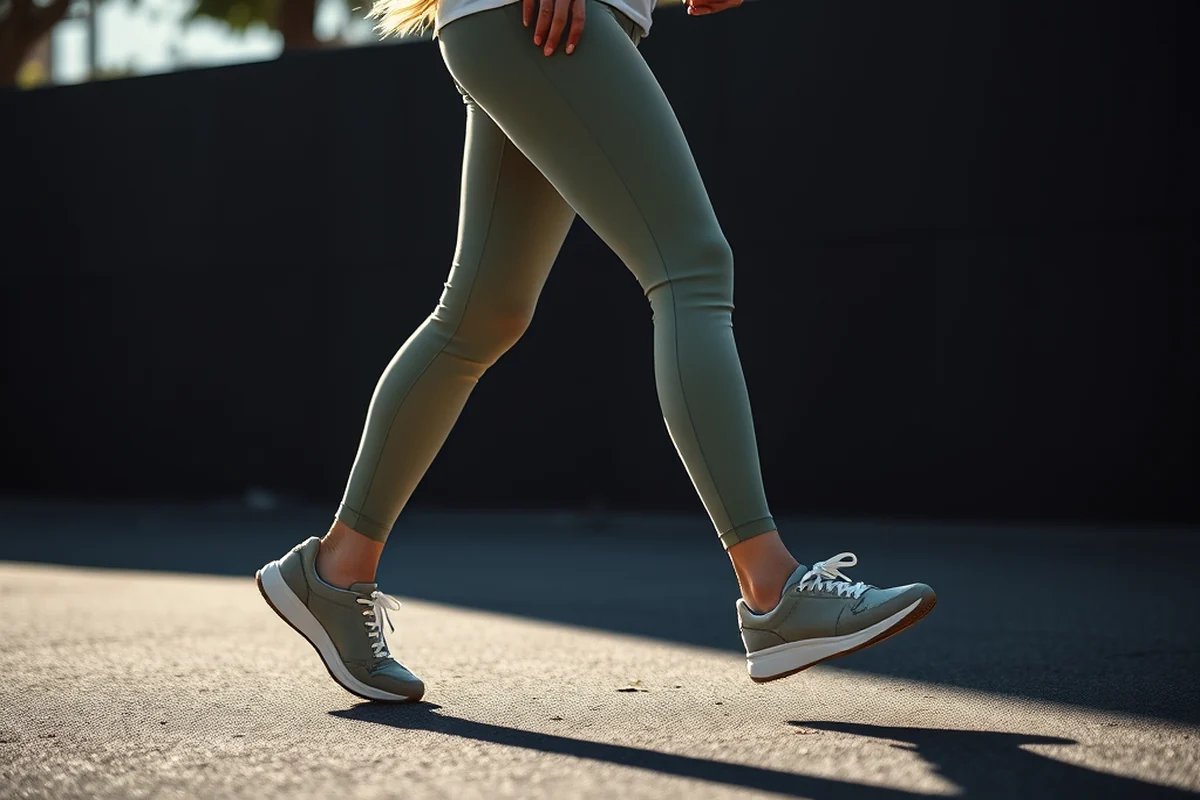
I used to think that working out had to be a big commitment—like an hour every day. But I found that 20 minutes, three times a week, was more sustainable. I now do a 20-minute full-body circuit that I can do at home, in a park, or even in my office during a lunch break.[4]
I’ve also found that consistency beats intensity any day. A small, consistent routine is more likely to stick than an intense one-time workout. This is why I’ve designed my plan to be short and repeatable, with workouts that can be done anywhere and at any time.
In the first two weeks of following this plan, I noticed a change in my energy levels and how my clothes fit. It wasn’t dramatic, but it was a sign that the plan was working.
Consistency beats intensity any day.
Related: Best time to exercise for weight loss
The Role of Strength Training in Weight Loss
When you lose weight, especially fat, you risk losing muscle along with it. That’s why strength training is so important. It helps you maintain the muscle that burns calories throughout the day, even when you're not working out.
I’ve incorporated bodyweight squats, push-ups, and planks into my daily routine. These exercises are effective and don’t require any equipment. I’ve found that even 10 minutes of focused strength training can make a noticeable difference in how my body feels.
One of the best parts of strength training is that it builds confidence. When I started doing push-ups, I was surprised by how quickly my body adapted. Within a month, I was doing 20 in a row, and it felt incredible.
Take before-and-after photos and measure your body every two weeks. This helps you see how your body is changing, even if the scale doesn’t move.
“Last winter, I stood on the scale at my doctor’s office and felt the kind of shame that only comes with numbers you haven’t seen…”— Neatburn editors
Related: Ozempic weight loss results
HIIT Workouts: The Power of High-Intensity Intervals
I’ve always been skeptical of HIIT workouts. I thought they were too intense and too short to make a difference. But after trying a few, I was stunned by how much I could accomplish in just 10 minutes.
HIIT workouts work by alternating between short bursts of intense exercise and periods of rest. This creates a metabolic effect that keeps your body burning calories even after the workout is over. Studies show that HIIT can burn up to 20% more calories than steady-state cardio.
I now do a HIIT workout every other day, and I’ve noticed that my stamina has improved. I can do more push-ups, run longer, and feel more energetic throughout the day.
Related: Neat for weight loss routines guide
Making Time for Your Workout Plan
I used to feel guilty about not having time to work out. But I’ve learned that even a few minutes can make a difference. I now do a 10-minute HIIT workout every morning while my coffee is brewing. It’s a small habit that adds up over time.
I’ve also found that combining workouts with other activities helps. For example, I walk during my lunch break, and I do a short circuit during my commute. These small changes have made a big difference in my overall fitness.
The key is to find a way to move that fits your life. Whether it’s a 10-minute workout or a 30-minute session, what matters is that you’re moving your body consistently.
Related: What is the best granola for weight loss
Staying Motivated and Tracking Progress
I’ve found that tracking progress is one of the most effective ways to stay motivated. I use a simple app to log my workouts and track how many calories I burn each day. It helps me see how far I’ve come and what I need to do to reach my goals.
I’ve also found that celebrating small wins helps keep me going. When I hit a new personal best in a workout, I reward myself with something I enjoy, like a favorite snack or a movie night.
Motivation comes and goes, but consistency is what keeps you on track. I’ve learned to focus on the small, daily habits rather than the big, overwhelming goals.
Celebrating small wins keeps you on track.
Related: How much weight can you lose on ozempic in a week
Customizing Your Workout Plan
I’ve found that what works for one person doesn’t always work for another. That’s why I’ve designed this plan to be flexible. You can adjust the intensity, duration, and type of exercises based on your preferences and schedule.
For example, if you have a busy schedule, you can do a 10-minute circuit. If you have more time, you can do a 30-minute session with more variety. The key is to find what works for you.
Customization also means being open to change. If you’re not seeing results, try a new variation or adjust your workout plan. Flexibility is what keeps you moving forward.
The Impact of Sleep on Weight Loss and Exercise Performance
Getting less than 6 hours of sleep per night can increase the risk of weight gain by up to 30%, according to a study published in the journal Sleep. When you're sleep-deprived, your body produces more ghrelin, the hunger hormone, and less leptin, the hormone that signals fullness. I noticed this firsthand when I cut my sleep to 5 hours a night for a week—my cravings for sugary snacks doubled. I felt exhausted during my workouts, making it hard to push through even light resistance training.
Aim for 7 to 9 hours of quality sleep each night to support your workout goals. I started incorporating a 15-minute wind-down routine before bed, which included reading and dimming the lights. Within two weeks, I noticed a significant improvement in my energy levels during workouts and a decrease in late-night cravings. This simple change helped me stay consistent with my workouts and avoid the common pitfall of overeating due to fatigue.
To improve sleep quality, avoid screens at least an hour before bed and keep your bedroom cool—ideally between 60 and 67 degrees Fahrenheit. I also started taking a magnesium supplement, which has been shown to improve sleep in some individuals. These small adjustments not only helped me get better sleep but also made my workouts more effective and enjoyable, proving that rest is just as important as exercise with weight loss.
💪 5-Minute Power Blast
A quick, high-intensity workout that fits into the busiest of days.
🪑 Desk-Friendly Routine
A workout you can do while at your desk or during your lunch break.
👶 Beginner-Friendly Plan
A gentle introduction to exercise that’s perfect for newcomers.
📈 Progression Plan
A plan designed to help you gradually increase your strength and endurance.
🔁 Maintenance Plan
A plan to help you stay fit and healthy after you’ve reached your goals.
| The mistake | Why it happens | The fix |
|---|---|---|
| Skipping days or not being consistent. | Consistency is key when it comes to seeing results. Skipping days can disrupt your progress and make it harder to stay on track. | Try to do the workouts on the same days each week. Even a few minutes a day can make a difference. |
| Doing too much too quickly. | Pushing yourself too hard can lead to burnout, injury, or loss of motivation. | Start slow and gradually increase the intensity and duration of your workouts. |
| Not tracking your progress. | Without tracking, it's easy to lose sight of how far you've come and what you need to do to reach your goals. | Use a journal or app to log your workouts and track your progress over time. |
| Getting discouraged by the scale. | The scale can be misleading. It doesn’t tell the whole story of your progress. | Focus on how your body feels, how your clothes fit, and how much energy you have. These are better indicators of your progress. |
Weight Loss Workout Plan For Women
Common Questions
Do I need any equipment for this workout plan?
How long should I do this plan for?
Can I do this plan if I have a busy schedule?
What if I don’t see results right away?
References
- Weight Loss for Beginners: Simple Strategies to Start Your Fitness ... (birzeit.edu)
- Weight loss made easy - MSU Extension (canr.msu.edu)
- Steps for Losing Weight | Healthy Weight and Growth - CDC (cdc.gov)
- Personal Training | Chaska, MN - Official Website (chaskamn.gov)
Cite this guide
Neatburn (2026). Weight Loss Workout Plan For Women. https://neatburn.com/weight-loss-workout-plan-for-women/
Feel free to cite or share this guide.